
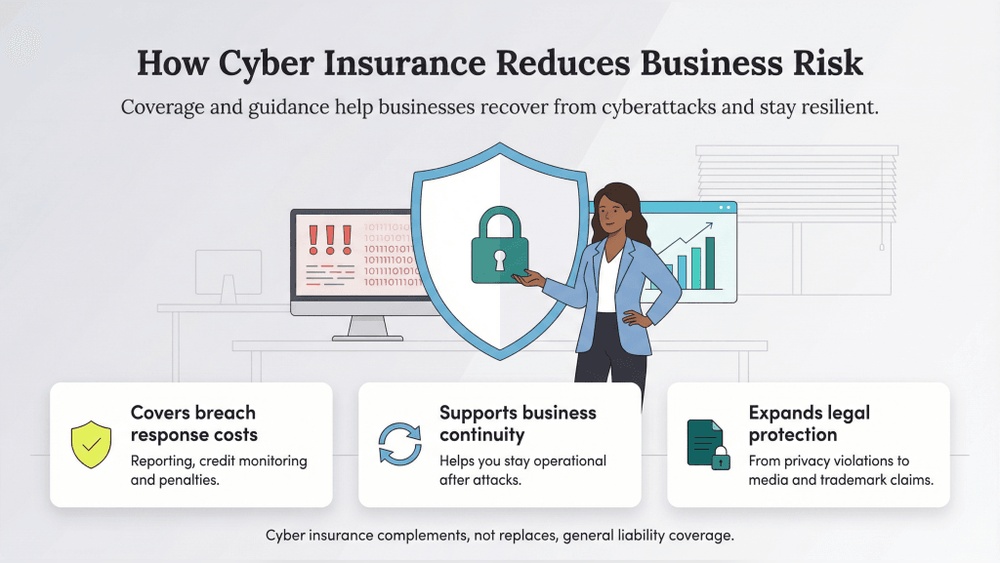
Are you confident that your business is fully protected against unexpected risks? A Business Coverage Assessment is the key to finding out.
It helps you understand exactly what your insurance policy covers—and just as importantly, what it doesn’t. Without this clarity, you could be leaving your business vulnerable to costly surprises. You’ll discover how a thorough coverage assessment can safeguard your assets, identify gaps in protection, and give you peace of mind.
Keep reading to make sure your business is ready for whatever comes next.
Business Coverage Basics
Coverage assessment checks if a loss is included in an insurance policy. It helps decide if the insurance will pay for damage or loss. This process answers legal questions about what the policy covers and how much.
Coverage assessment is different from loss assessment. Coverage looks at the policy terms. Loss assessment measures the amount of damage or loss suffered by the business. Both are important to understand how insurance works.
| Type of Business Insurance | Purpose |
|---|---|
| Property Insurance | Covers damage to buildings and equipment. |
| Liability Insurance | Protects against claims from injuries or damage. |
| Business Interruption Insurance | Covers lost income during business closure. |
| Workers’ Compensation | Covers employee injuries at work. |
Identifying Business Risks
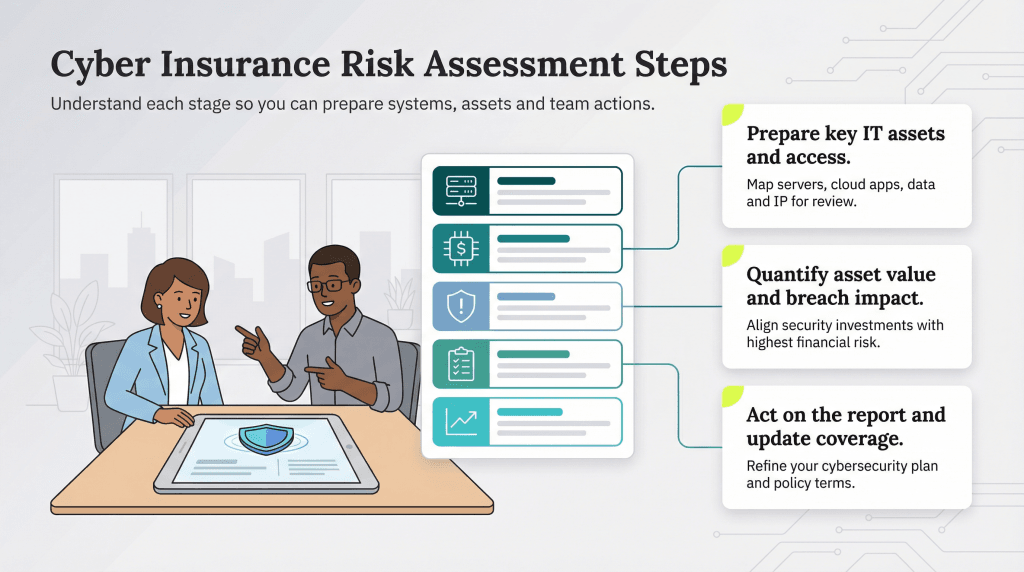
Start by listing all potential risks your business may face. Use risk assessment tools to identify threats clearly and quickly. These tools help measure the chance and impact of risks.
Next, work closely with underwriters. They analyze your business risks and suggest proper coverage. Underwriters help tailor insurance policies to fit your needs.
Review your current coverage carefully. Check if it protects against identified risks. Look for gaps or overlaps in your policy.
- Identify risks using risk assessment software or checklists
- Discuss findings with your insurance underwriter
- Adjust coverage based on risk levels and underwriter advice
- Regularly update the assessment to keep coverage relevant
Performing Coverage Assessment
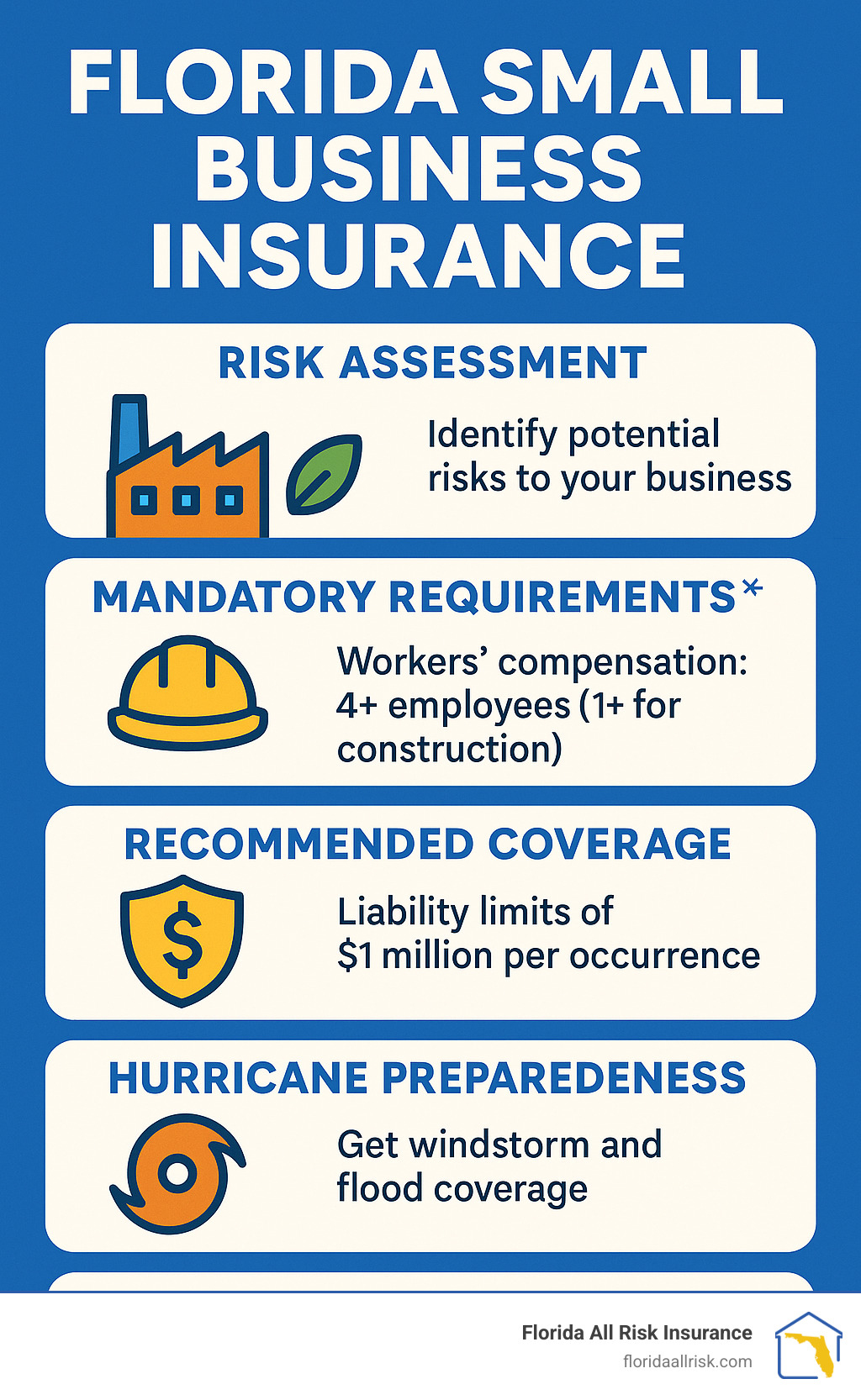
Choosing adequate coverage limits protects your business from costly losses. Select limits that match your business size and risks. Too low limits can leave gaps. Too high limits raise premiums unnecessarily.
Filling coverage gaps means identifying risks not covered by your policy. Common gaps include cyber attacks, natural disasters, or employee injuries. Add endorsements or separate policies to cover these areas.
Annual policy reviews keep your coverage up to date. Business needs change over time. Review your policy every year to adjust limits and add new protections. This avoids surprises when filing claims.
Frequently Asked Questions
What Is A Coverage Assessment?
A coverage assessment evaluates if an insurance policy covers a specific loss or damage. It clarifies coverage scope and applicability.
What Are The Four Types Of Coverage?
The four types of coverage are life insurance, health insurance, long-term disability coverage, and auto insurance. Each protects different aspects of personal and financial well-being.
How To Determine Business Income Coverage?
Determine business income coverage by evaluating your average monthly revenue, fixed expenses, and potential income loss duration. Consult your insurer for policy limits and exclusions.
What Does 50/100 Coverage Mean?
50/100 coverage means the insurer pays up to $50,000 per person and $100,000 total per accident. It limits liability payouts.
Conclusion
A business coverage assessment helps identify your insurance needs clearly. It shows gaps and protects your company from risks. Regular checks keep your coverage up to date. Understanding your policy terms avoids surprises during claims. Stay proactive to safeguard your business’s future.
Taking time now saves trouble later.
Read More
- Commercial Umbrella Coverage Cost: What You Need to Know Today
- Property Coverage Quote Estimate: Get Fast, Accurate Savings Today
- Comprehensive Vehicle Cover Rates: Unlock Affordable Protection Today
- Fleet Coverage Insurance Quote: Get the Best Rates Today!
- Best Protection Plan Quotes: Unlock Top Savings Today!
- Multi Policy Insurance Savings: Maximize Discounts & Protect More
- Secure Insurance Coverage Review: Maximize Protection Today
- Collision Coverage Quote Online: Get Instant, Affordable Rates Today
- High Limit Coverage Options: Maximize Protection with Top Plans
- Coverage Vault Policy Comparison: Ultimate Guide to Smart Choices