
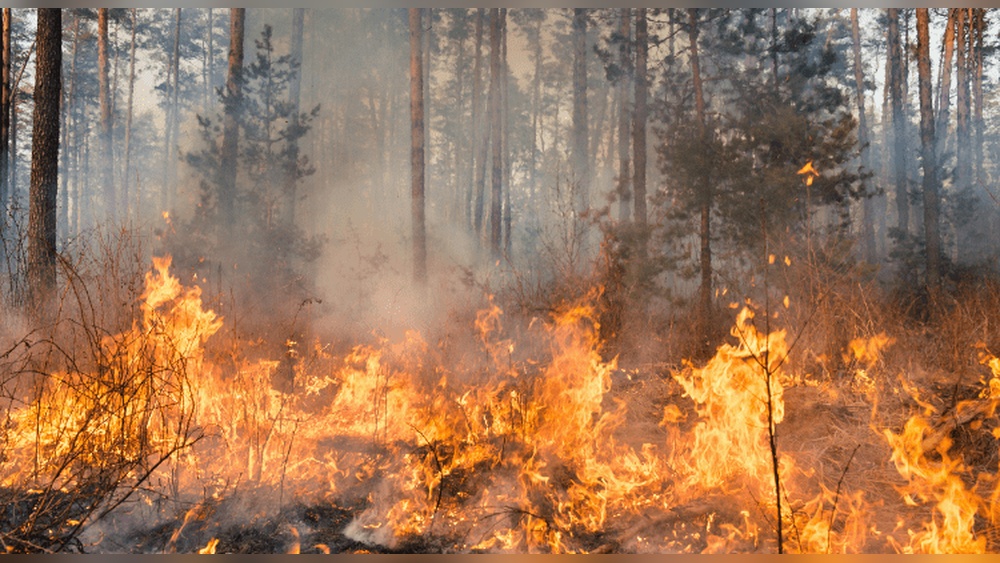
When disaster strikes, will your insurance truly protect you? Natural disasters like floods, earthquakes, tornadoes, and hurricanes can cause devastating damage, leaving you with unexpected repair costs and stress.
But not all insurance policies cover every type of disaster, and many people discover gaps only after it’s too late. Understanding your natural disaster cover options is essential to make sure you and your property are fully protected. You’ll learn what kinds of coverage are available, what risks might be excluded, and how to choose the best protection for your needs.
Don’t leave your future to chance—read on to secure your peace of mind today.
Types Of Natural Disaster Coverage
Standard Homeowners Insurance usually covers damage from fire, lightning, and some windstorms. It often does not include floods or earthquakes. Most policies protect against theft and vandalism too.
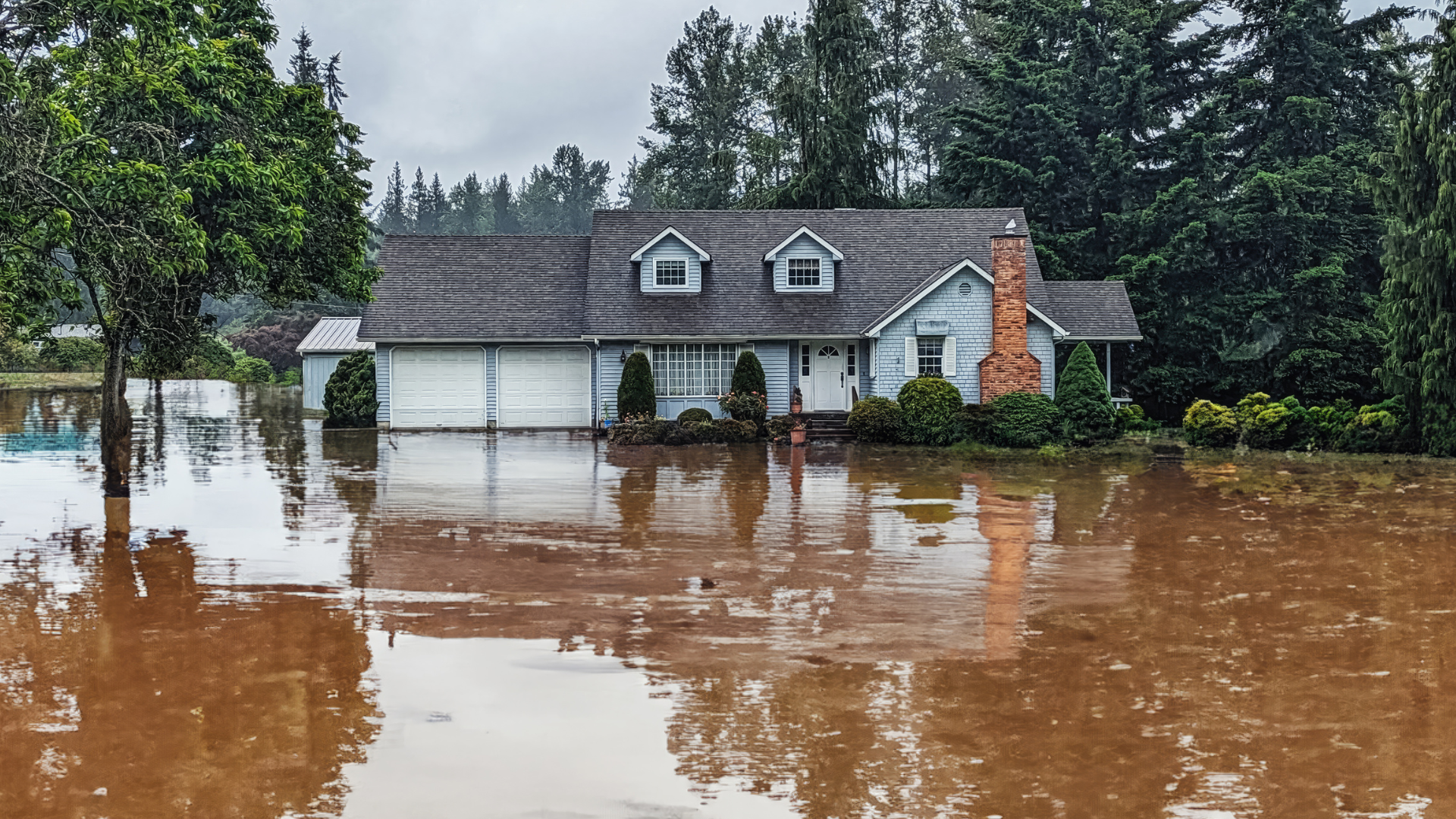
Flood Insurance is separate and needed if you live in flood-prone areas. It helps pay for damage caused by rising water from rain or rivers. This coverage is available through the National Flood Insurance Program (NFIP).
Earthquake Insurance is also separate. It covers damage from shaking and ground movement. This is important in states like California or Texas where earthquakes may happen.
Windstorm and Hurricane Coverage protects your home from strong winds and storms. Some policies include this, but others require an extra rider or separate plan.
Extended Coverage Options can include protection for landslides, hail, or other natural events. These options depend on your location and insurance company.
Assessing Your Insurance Needs
Evaluating local risks means understanding what natural disasters are common in your area. Floods, earthquakes, tornadoes, or hurricanes may each need different types of coverage. Knowing local history helps choose the right insurance.
Calculating adequate coverage involves estimating the total cost to repair or rebuild your home after a disaster. Coverage should match this amount to avoid large out-of-pocket expenses. Include personal belongings and temporary living costs if possible.
| Factor | What to Check |
|---|---|
| Comparing Construction Costs | Look at local building prices to ensure your coverage matches current costs. |
| Checking for Underinsurance | Divide your dwelling coverage by home size to see if it meets local rebuild prices. |
Flood Insurance Details
Premium costs vary by location and risk level. Higher risk areas pay more. Compare quotes from several insurers to find the best deal. Look for discounts on bundled policies or safety features. Balance cost with coverage limits to avoid surprises.
Check policy exclusions carefully. Some natural disasters like floods or earthquakes might not be covered. You may need separate policies for these events. Understand what is included and what is not. This helps avoid unexpected out-of-pocket expenses.
Insurance agents can guide you through options. They explain coverage details and answer questions. Choose agents who understand your area’s risks. Their advice helps you pick the right protection.
After home improvements, update your coverage. Renovations can increase property value and risk. Inform your insurer to adjust your policy. This ensures your insurance matches your home’s worth.

Frequently Asked Questions
What Type Of Insurance Covers Natural Disasters?
Natural disaster insurance includes flood, earthquake, and windstorm coverage. Standard policies may exclude floods and earthquakes. Catastrophe insurance protects against major events like hurricanes and earthquakes. Always review specific policy details to confirm coverage for your area’s risks.
What Are The 4 Types Of Insurance Coverage?
The four types of insurance coverage are auto, home, health, and life insurance. Each covers specific risks and damages.
Is Fema Flood Insurance Worth It?
FEMA flood insurance offers essential protection against flood damage not covered by standard policies. It helps homeowners recover faster after floods. It’s worth it for those in flood-prone areas or with mortgage requirements, providing peace of mind and financial security.
What Is The Rule On Insurance Coverage And Natural Disasters?
Standard home insurance often excludes floods and earthquakes. Specialized policies like flood or earthquake insurance cover these natural disasters. Coverage varies by disaster type and policy. Review your policy details to ensure adequate protection against specific natural disasters in your area.
Conclusion
Choosing the right natural disaster cover protects your home and peace of mind. Understand what each policy includes and excludes before buying. Floods and earthquakes often need separate insurance plans. Review your coverage regularly to stay prepared. Being informed helps you face emergencies with confidence.
Take action today to secure your property against nature’s challenges.
Read More
- Commercial Umbrella Coverage Cost: What You Need to Know Today
- Property Coverage Quote Estimate: Get Fast, Accurate Savings Today
- Comprehensive Vehicle Cover Rates: Unlock Affordable Protection Today
- Fleet Coverage Insurance Quote: Get the Best Rates Today!
- Best Protection Plan Quotes: Unlock Top Savings Today!
- Multi Policy Insurance Savings: Maximize Discounts & Protect More
- Secure Insurance Coverage Review: Maximize Protection Today
- Collision Coverage Quote Online: Get Instant, Affordable Rates Today
- High Limit Coverage Options: Maximize Protection with Top Plans
- Coverage Vault Policy Comparison: Ultimate Guide to Smart Choices